
Uncategorised
Trackdays Magny-Cours France 2027: Get Ready
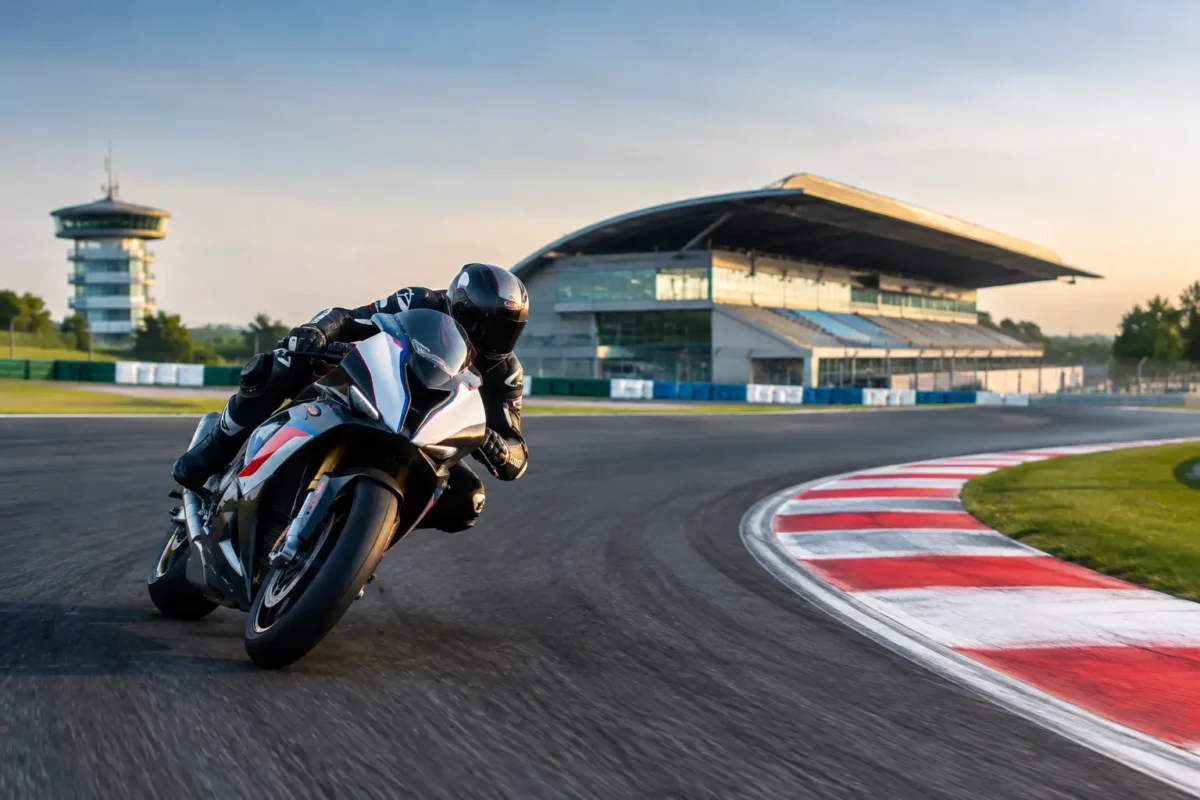
Nov
The stopwatch does not care how far you travelled. At trackdays Magny-Cours France 2027, the riders who arrive prepared can spend the first session finding reference points, not fixing logistics, second-guessing tyres or learning the circuit from scratch. Magny-Cours rewards commitment. It is a proper Grand Prix venue with quick changes of direction, heavy braking zones and exits that expose every hesitation on the throttle.
For UK riders, that is exactly the appeal. This is not a sightseeing trip with a few laps bolted on. It is a chance to put your bike, your braking markers and your racecraft under pressure on one of France’s most recognisable circuits. Get the preparation right, and every session has a job to do.
Why Magny-Cours earns its place on the calendar
Circuit de Nevers Magny-Cours is a technical, high-speed challenge that asks for more than outright bravery. The Grand Prix layout runs at roughly 4.4km and combines flowing sections with slow, decisive corners where the drive matters. You need a bike that turns cleanly, brakes consistently and puts power down without drama. More importantly, you need a plan.
The opening sequence immediately demands accuracy. Carry too much speed into the first change of direction and the next corner arrives before the bike is settled. Be too cautious and you surrender the exit that feeds the following straight. That pattern repeats around the lap: entries set up exits, exits set up speed, and speed reveals whether your lines are really working.
Adelaide is the braking test many riders remember. It is not simply about pulling the lever later. A strong approach begins with a repeatable marker, a settled downshift sequence and enough patience to get the motorcycle pointed before asking for acceleration. Trying to win everything on entry usually leaves you tight and slow where it counts.
Magny-Cours also makes a useful contrast to a fast road ride. There is room to build pace safely, but there is nowhere to hide from poor habits. Looking too close to the front wheel, releasing the brake abruptly, rushing a turn-in or picking the throttle up before the bike is ready will all appear clearly in your lap time and tyre condition. That is why it is a circuit worth travelling for.
Trackdays Magny-Cours France 2027: what to prepare
A 2027 Magny-Cours event may feel distant, but premier European dates, transport space and the accommodation that makes an event easy can move quickly. The right time to prepare is before your preferred group, travel plan or bike transport option becomes the compromise.
Start with the motorcycle. You do not need a full race build to enjoy Magny-Cours, but you do need a machine that will complete repeated hard sessions without becoming a distraction. Fresh brake fluid, pads with meaningful life left, a healthy chain and sprockets, properly torqued controls and tyres chosen for expected conditions are the baseline. If your suspension has not been serviced for years, this is a better investment than another shiny bolt-on part.
Tyre choice depends on your pace, bike and weather. A quick rider chasing consistent timing may need a track-focused tyre and a clear plan for pressure management. A rider moving from road riding into their first European circuit trip may be better served by a stable, predictable option that works across a wider temperature range. There is no prize for fitting the most aggressive rubber if it never reaches its working window or leaves you worrying about every damp patch.
Bring the tools and consumables that keep a small issue small: pressure gauge, paddock stands, sockets, tape, cable ties, brake cleaner, chain lubricant, spare levers and fluids appropriate to your bike. Add a hydration plan. Multiple sessions in a day, leathers and summer temperatures will drain concentration long before you notice it. Water, electrolytes and proper food between sessions are performance equipment, not an afterthought.
Build your lap in stages
The fastest route to a meaningful improvement is rarely a hero lap in session one. Use the opening outing to learn surface condition, grip level and sight lines. Identify turn-in references and braking markers, then reduce the variables. Ride a few laps at a pace where you can notice what the bike is doing rather than merely reacting to it.
Next, work on one area at a time. It might be carrying the brake deeper into Adelaide with less panic, releasing it more smoothly, or delaying the throttle until you can see the exit. Keep the objective narrow. When a rider changes braking point, body position, line and throttle timing all at once, they cannot tell which change created the result.
Timing gives the work context, but it should not become the whole story. A lap time that drops after a cleaner exit is useful evidence. A lap time gained by repeatedly missing an apex or overworking the front tyre is a warning. The target is repeatable pace – the kind you can deliver late in the day, in traffic and with enough margin to make good decisions.
Professional coaching can shorten that learning curve sharply. A coach watching your track position may spot that you are turning in too early or sacrificing exit width before you even feel it. Rider-to-rider intercom coaching can be particularly effective when used with purpose: clear instruction, one focus point, then space to process it. The best coaching does not make you dependent. It gives you the tools to read a lap for yourself.
The UK-to-France logistics that protect your track time
Taking your own motorcycle to a French circuit can be part of the adventure. It can also become the reason you arrive tired, rushed and carrying an administrative headache into the paddock. The right route depends on whether you value the journey as much as the riding, how much kit you need and how much time you can take away from work.
Riding across gives you flexibility and keeps you close to your machine, but it adds motorway miles, luggage, weather exposure and the possibility of arriving with a worn rear tyre before the event begins. A van works well for a group that is organised, shares the driving and has secure space for bikes and kit. It also leaves the return journey to manage after several hard track days.
Professional transport is the performance-led option for riders who want to fly out light and arrive fresh. A properly secured bike on a purpose-built stillage, collected from an agreed UK point or from home where available, removes a large chunk of the journey from your race weekend. It also means your leathers, helmet and key personal kit can be packed around your own travel rather than around a full bike-moving operation.
For European events, paperwork deserves the same respect as tyre pressures. Check passport validity, licence requirements, insurance conditions, recovery cover and any current border or customs arrangements well ahead of departure. If your bike and equipment are transported, understand exactly what documentation is required and when. ATA Carnet administration, where relevant, is not glamorous – but getting it right prevents a border delay from stealing paddock time.
Race Shift is built around this reality: serious UK riders want world-class tracks without turning every overseas event into a logistics project. Transport, structured booking, timing, coaching and event support are not extras when the objective is to ride faster. They are the framework that lets you focus on the next braking marker.
Ride hard without riding beyond your margin
Magny-Cours can encourage big ambition because the circuit feels open and flowing. Keep the ambition, but give it discipline. Build speed in the first half of the day, reassess your tyre wear and energy at lunch, then decide whether the afternoon is for refining pace or banking clean laps. A hot, tired rider chasing one more personal best is often the rider who makes the costly mistake.
Use the paddock properly, too. Ask riders on similar machinery what they are finding, but do not blindly copy their pressures, gearing or lines. Their weight, suspension settings and pace may be completely different. Listen, test, and let the bike tell you what is working.
The best Magny-Cours trip is not defined by a social post or a single number on a timing screen. It is the moment the circuit starts to slow down, your eyes lift towards the next apex and the throttle comes in earlier because the whole lap finally makes sense. Prepare early, arrive sharp, and let 2027 be the year you earn that feeling.
